Rosemount, MN · Garage Door Service
Rosemount homes built mostly 1955-2004 mean older torsion springs meeting Minnesota cold. Here's how the housing stock and climate here actually change a spring failure.
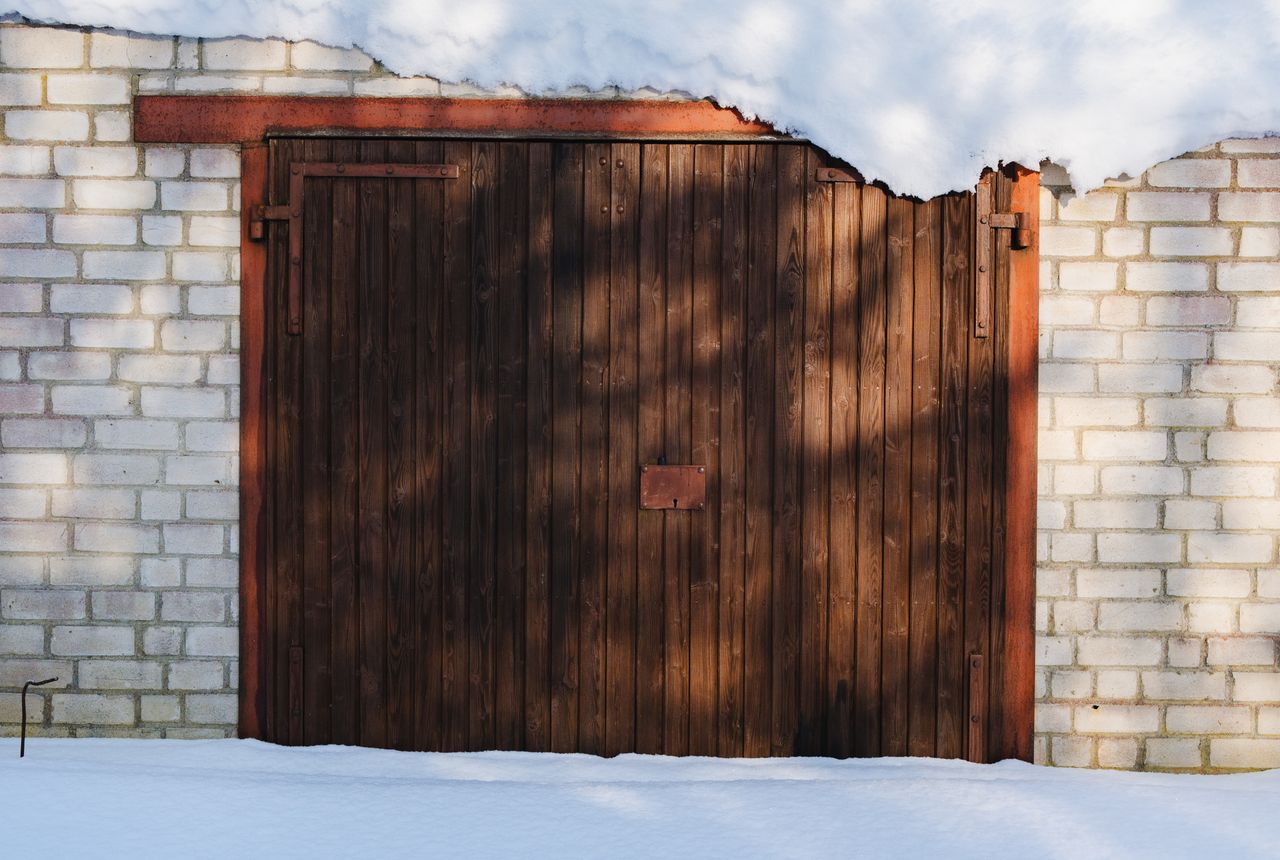
Most houses in this part of Rosemount went up between 1955 and 2004, with the bulk of that stock dating to the 1960s and 70s across the nineteen areas we cover out here. That matters because a torsion spring has a duty cycle measured in cycles, not years, and a house from that era has usually had at least one spring replacement already - sometimes with hardware that doesn't match what's on the door now.
The climate band here is cold and moderate, which means the steel in an older spring contracts through a real winter, not a mild one. Cold steel is more brittle steel. A spring that's been flexing fine since October can let go on the coldest morning of the year because the metal has less give left in it right when the temperature drops hardest. That's not a maintenance failure on the homeowner's part - it's just what happens to 40- or 50-year-old spring cycles when winter here does what it does.
If your garage isn't heated - and a lot of these older Rosemount houses have detached or unheated attached garages - the door and its hardware sit at outdoor temperature all night. That's the setup where a spring goes in the morning, not in the afternoon.
The most common mistake we see is someone hearing a loud bang in the garage, finding the door won't open, and assuming the opener is dead. On a house from the 1960s-70s stock that makes up most of this area, a bang like that is almost always the torsion spring letting go, not the opener motor. The opener is just doing what it's built to do - refusing to lift a door with no spring tension behind it, so it doesn't burn out trying.
The second mistake is trying to force the door up by hand once that happens. A broken spring means the full weight of the door - often 130 to 160 pounds on a standard double - has nothing holding it partway up. People get hurt trying to muscle it, and on older track hardware that's had four decades of Minnesota winters, forcing it can also bend a track or pop a cable off a drum.
The third is waiting. Once one spring on a double-spring setup breaks, the other one is usually close behind, because they're wound to the same tension and installed at the same time. Replacing one and leaving the aging second spring in place on a door built for two is a call we get again within a season.
A spring under tension is not a bolt-and-wrench repair, full stop - that's true no matter what the door is. But on the housing stock common through this area, built mostly between 1955 and 2004, there's an added wrinkle: hardware from different decades doesn't always match. A spring bought off a shelf without matching the wire size, wind direction, and inside diameter to what's already on that torsion bar can look right and still be wrong, and wrong under tension is dangerous.
We'll be honest about a limit here: if the drum, bar, or bearing plates are original to a house from the 1960s or 70s, parts for that exact setup aren't always something we can pull off the truck same day. Sometimes the honest fix is replacing the whole spring and drum assembly with current hardware rather than hunting for a match, and that's a bigger job and cost than a straight spring swap.
If the break happened in freezing weather, don't run the opener trying to force it. That's the point to call rather than experiment.
Across the area we serve - roughly 49,691 households and about 26,390 owner-occupied houses, with a median household income of $93,233 - garage doors are working equipment, not just an entry point, especially through a cold-weather winter. Towns near Rosemount like Coates, St. Paul Park, Vermillion, Newport, and Hastings sit in that same housing-age band and same climate, so the spring failures we see aren't unique to one street.
We work out from Rosemount and cover this range of nearby communities, from Coates just a few miles off to towns like Northfield and Cannon Falls farther out. If your door has gone quiet and heavy on a cold morning, that's usually a spring, not an opener, and it's worth a call before anyone tries to lift it by hand.
Steel gets more brittle as it gets colder, and a spring that's already worn from years of cycling has less flex left to give. In a cold-moderate climate like ours, the coldest mornings are exactly when an aging spring is most likely to snap, especially in an unheated garage.
Likely a factor. Most homes in this area date to the 1960s-70s, which means the torsion hardware is either original or a prior replacement that's now had decades of winter cycling. Both spring wear and cold combine here.
On a double-spring setup, the second spring was wound and installed at the same time as the one that broke, so it's usually near the end of its own life. Most jobs call for replacing both rather than waiting for a second call.
If the drum, bearing plates, or track are original hardware from a much older door and heavily worn, sometimes replacing the full assembly makes more sense than hunting down a matching part. We'll tell you when that's the case rather than force a mismatch.
Call now or request a free quote - same-day service on most repairs, upfront written pricing.