Rosemount, MN · Garage Door Service
Most Rosemount garage doors date to 1955-2004, built before energy codes existed. Here's what that means for cold Minnesota winters and repair choices.
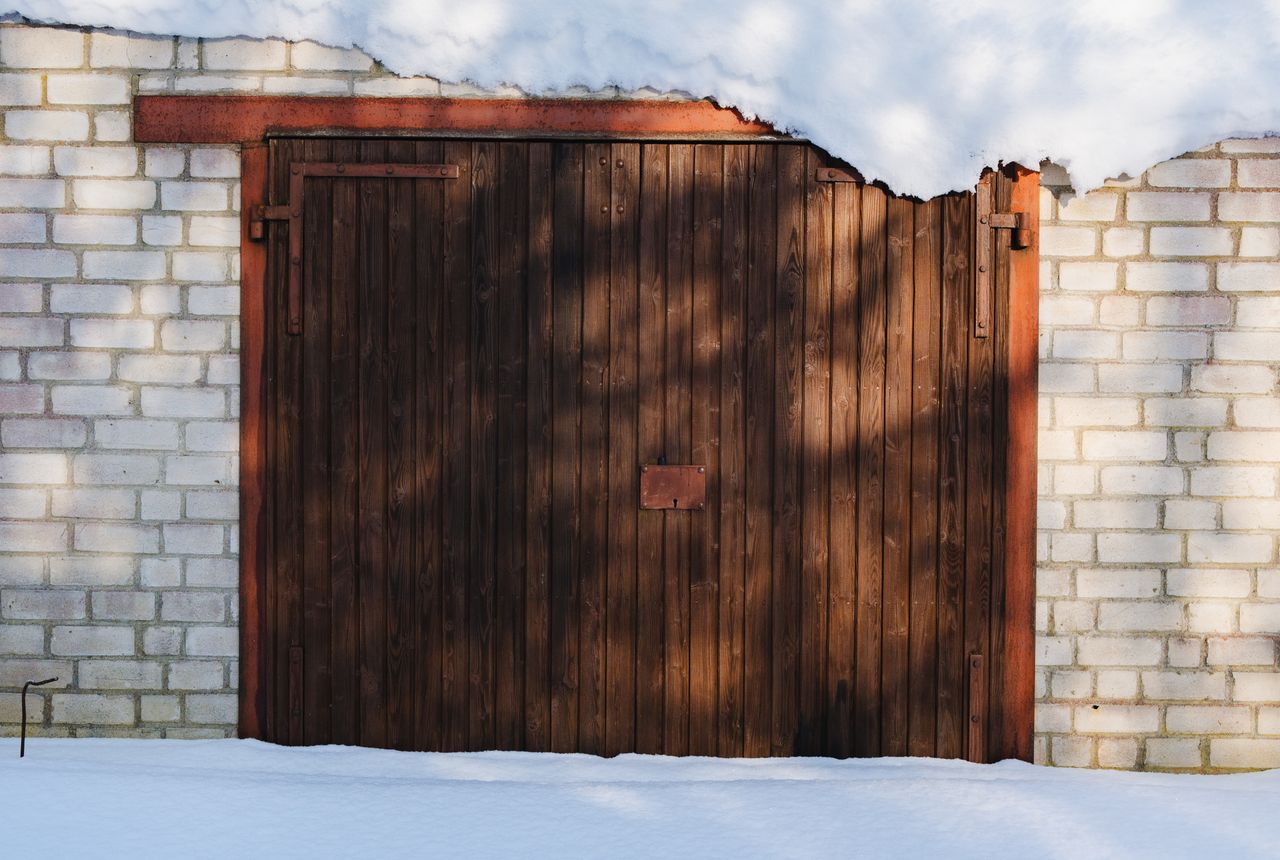
Rosemount sits in a cold, moderate climate band, and that matters more for a garage door than most homeowners realize. Most houses here went up between 1955 and 2004, with the median build year landing around 1975 and the bulk of the stock across the area's 19 named neighborhoods dating to the 1960s and 70s. A door installed in that window almost never has an insulated steel core - it's a single skin of steel or aluminum over an open frame. That's not a defect, it's just what the code allowed at the time. In a cold-moderate climate, an uninsulated door means the garage tracks close to outdoor temperature all winter, which stresses anything stored against that wall and makes the opener work through a wider swing of hot-to-cold cycling than a newer, insulated door would. It also means the steel itself contracts more in deep cold, which is part of why hardware on these older doors loosens and springs fatigue faster than the same age door would in a milder climate. The house is doing exactly what a house built in 1975 was built to do. The door just wasn't asked to do much insulating back then, and it still isn't unless someone's replaced it.
The most common mistake we see on original-era doors is treating the symptom instead of the door. Someone notices cold air around the edges and adds weatherstripping, or foam tape along the top rail, and it helps a little at the gaps. But the panel itself - the flat steel skin - has no insulation value to speak of. Weatherstripping seals the perimeter; it does nothing for a door that's basically a cold sheet of metal in the middle. On a house from the 1955-2004 stock that's never been touched, that's the actual problem, not the gaps around it. The other misread is assuming a door that still opens and closes fine has no age-related issue. Cold-moderate winters cycle steel through expansion and contraction every day for months, and on a door pushing toward 40 or 50 years old, that shows up as bowing, seam separation, or a track that's shifted just enough to bind in the cold without anyone noticing until a spring lets go. We're not going to tell you every original door needs to be replaced tomorrow - plenty are still structurally sound - but sealing the edges of an uninsulated 1970s door and calling the cold problem solved just isn't accurate.
Weatherstripping and lubricating rollers is fine DIY territory. What isn't: a torsion spring on a door from this era, because springs that have spent decades cycling through cold-moderate winters get brittle, and a spring under tension that snaps can put someone in the ER. If the door is original to a house built in the 1955-2004 range and you're hearing a bang or seeing a visible gap in the coiled spring, that's a call, not a project. Rust at the bottom panel seams is another one - once moisture's gotten into the steel skin on an older door, patching it rarely holds, and re-hanging a rusted-through panel section is not a weekend fix. Here's the honest part: we don't recommend trying to retrofit insulation into an original steel-skin door from this era. There's no clean way to add a foam core to a panel that wasn't built for one, and by the time a door's old enough for that discussion, replacement usually costs less over time than the labor to modify it. If your door is still solid and just drafty, that's a different conversation - and one worth having before spending money on either path.
Across the service area there are 49,691 households, and 26,390 of those are owner-occupied houses - most of them built in that 1955-2004 window, concentrated in the 1960s and 70s across 19 named parts of the area. Median household income sits at $93,233, which means replacement is a realistic option for a lot of owners here, not just a repair Band-Aid. That's worth knowing because on a door this old, the repair-versus-replace math often tips toward replacement once you factor in the spring, the opener strain, and the lack of insulation all at once. It's not just a Rosemount pattern in isolation - drive a few miles out toward Coates and you'll find the same era of detached garages with the same pre-code doors, just further from any past updates. The takeaway for a homeowner here isn't that every door needs attention. It's that if your door is original to a house from this build era, age and climate are working on it together, and the failure point - when it comes - tends to be sudden rather than gradual.
It's common but not guaranteed. Rosemount's housing stock is mostly 1960s-70s construction, and a lot of those doors have never been swapped out. If you don't know the door's age, look for a manufacture date sticker on the inside of the top panel or check for foam insulation backing - original doors from that era almost never have it.
Aftermarket foam kits help a little, but they don't turn an uncored steel skin into an insulated door, and on a panel that's decades old the adhesive often doesn't hold well in cold-moderate winters. If the door is original to a 1955-2004 build, replacement usually solves more than a retrofit kit does.
Watch for a visible gap in the coil, a door that feels heavier to lift by hand, or a loud bang from the garage. Springs on original-era doors have been through a lot of cold cycling by now. If you see any of those signs, don't try to adjust or replace it yourself - call it in.
Call now or request a free quote - same-day service on most repairs, upfront written pricing.