Rosemount, MN · Garage Door Service
A straight look at what happens when a tech shows up at your Rosemount house, from spring checks to opener diagnostics, based on the age of housing stock here.
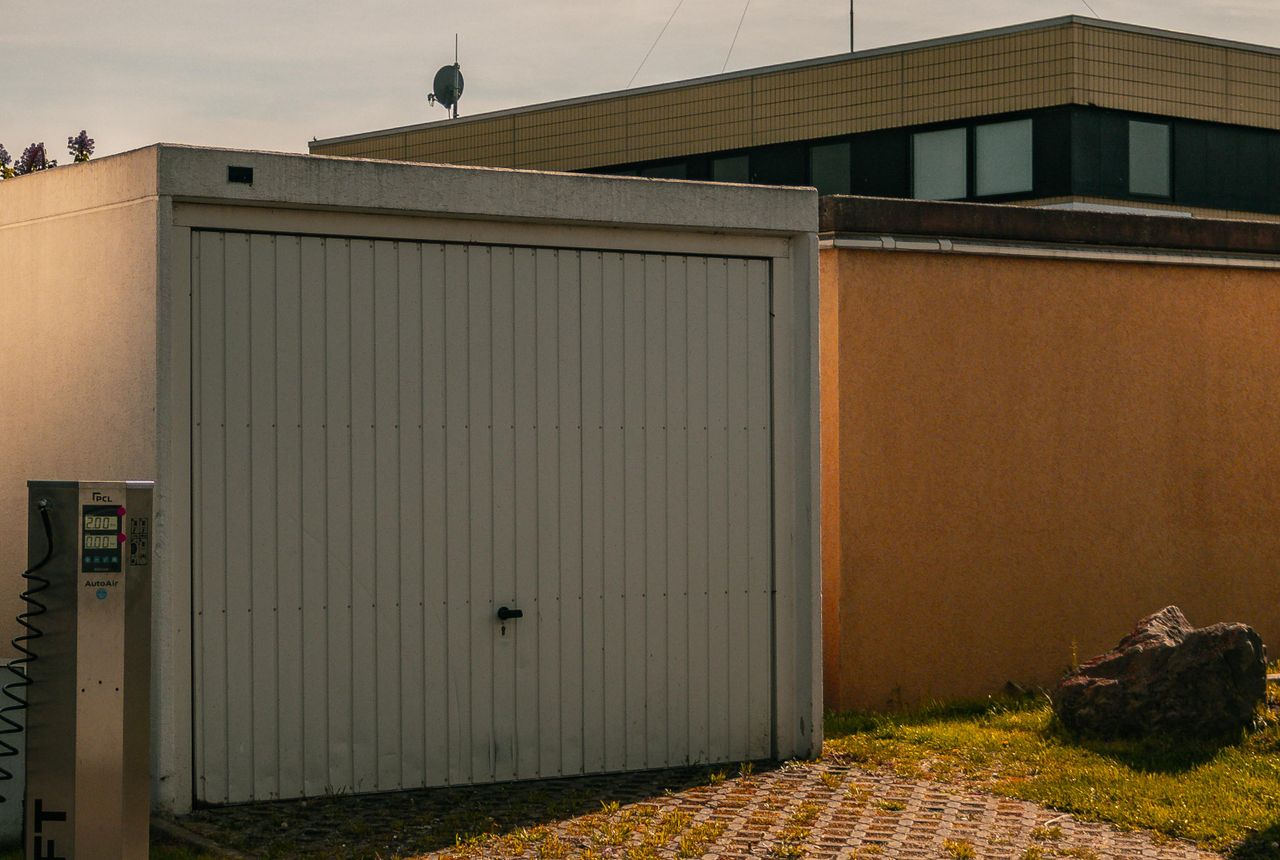
Rosemount sits in a cold moderate climate band, and that shapes what a service call looks like here more than most homeowners expect. Cold snaps stiffen torsion springs and thicken old grease on rollers and tracks, so a door that worked fine in October can bind or reverse itself in January without anything actually breaking. A tech coming to a house here checks spring tension and lubrication as a matter of course, not as an upsell, because the temperature swing is doing real work on the hardware year-round. Most of the housing in Rosemount went up between 1955 and 2004, with a lot of it landing around 1975, and that median build year matters because springs and openers from that era were not built to today's cycle counts. A service call on an older house usually means checking whether the spring is original, whether it's been replaced once already, and whether the opener still has the safety reversal sensors that came standard on newer units. None of that is guesswork - it's just what the age of the stock tells you to look for first.
The most common mistake is assuming a noisy door just needs oil. On a lot of the 1960s and 70s stock spread across the areas we cover, the noise is usually a worn roller or a bent track hanger, not a dry hinge, and spraying lubricant on it just masks the sound for a couple weeks. Another thing people get wrong is thinking a garage door opener failure means a new opener. Half the calls that start as
We don't have a flat number to quote here since it depends on what's actually wrong with the door - a spring adjustment and a broken cable replacement aren't priced the same. Call and describe the problem and we can give you a real estimate before anyone drives out.
Yes, and a large share of what we see across Rosemount is exactly that vintage. The tricky part is usually parts availability rather than the repair itself, since some original hardware from that era isn't made anymore and needs a compatible replacement instead of an exact match.
It can. Cold temperatures stiffen lubricant and tighten metal tolerances, which is why openers and springs that worked fine in fall sometimes start acting up once the cold moderate winter sets in. It's usually not damage - just the hardware behaving differently in the cold.
Call now or request a free quote - same-day service on most repairs, upfront written pricing.