Rosemount, MN · Garage Door Service
Rosemount's 1960s-70s housing stock and cold winters put specific wear on garage door springs and tracks. Here's what the noises actually mean before you call anyone.
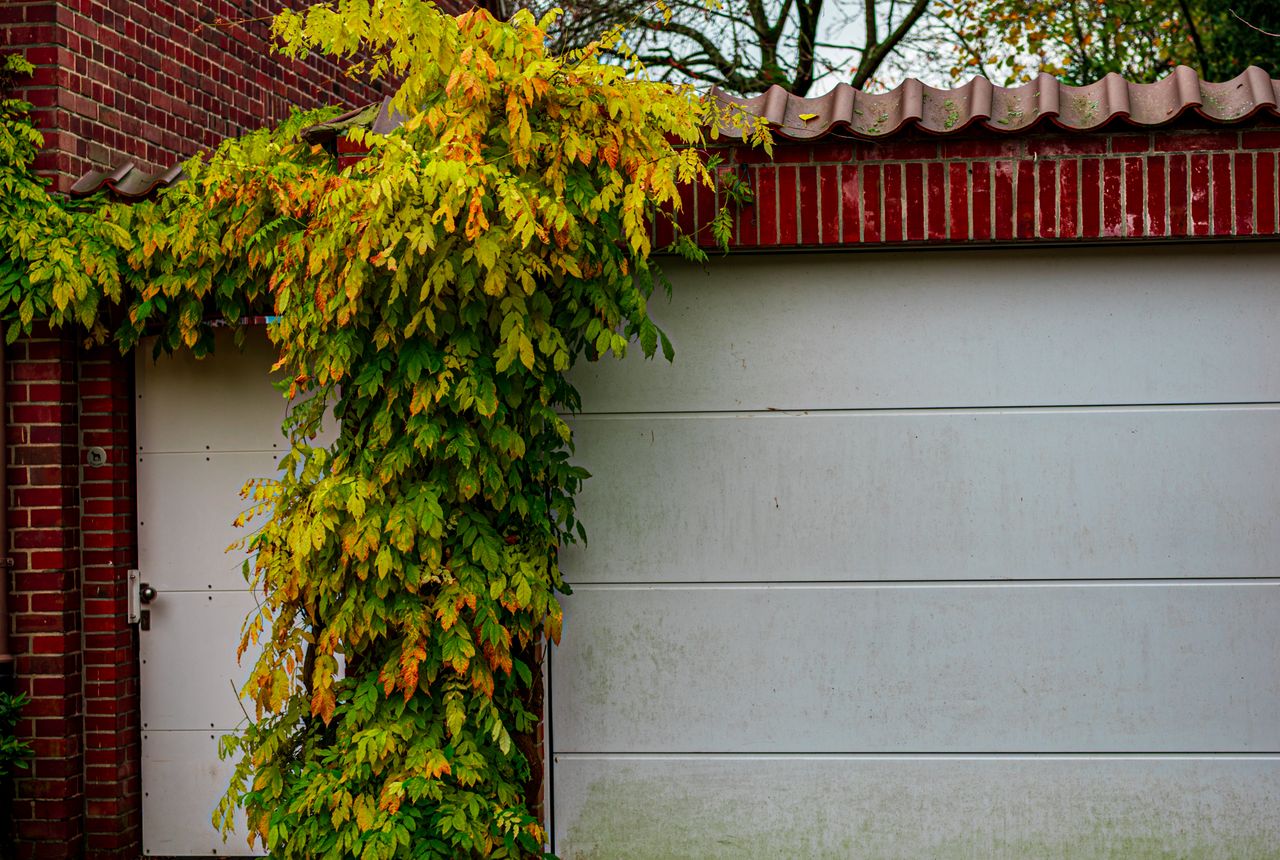
Rosemount's housing runs mostly 1955 to 2004, with the heaviest concentration in the 1960s and 70s across the area's named neighborhoods. That matters because a door installed in 1968 was built for a different hardware standard than one going in today - lighter springs, thinner track, and in a lot of cases, the original torsion setup nobody has touched since the house was built.
We sit in a cold, moderate climate band, and that's not just a line for the weather app. Steel track contracts in deep cold, grease in an old bearing thickens up, and a cable that's been fraying quietly for two summers finally jumps a groove on the first hard freeze. If your door started making a new noise the week the temperature dropped, that's not coincidence. That's the age of the hardware meeting the season.
Houses built before the 1980s in this area often still run the smaller-gauge springs that were standard then. Those springs were sized for lighter, uninsulated doors. If a previous owner swapped in a heavier insulated door but never upsized the spring, you get a system working harder than it was built to, and it complains before it fails.
The most common mistake is assuming a loud noise means a big problem and a quiet one means nothing. It's often backwards. A door that's suddenly silent after months of squeaking may have a roller that's worn its bearing down to nothing and stopped generating friction because it's barely turning anymore. A grinding noise, on the other hand, is frequently just a dry track that WD-40 and a proper lithium grease would fix in ten minutes.
The second mistake, common in this area's older stock, is spraying lubricant on a spring and calling it maintenance. A torsion spring from the 1960s or 70s wasn't built with a service life that assumes fifty winters of freeze and thaw. Lubricant slows corrosion. It doesn't reset metal fatigue. If a spring on a door this old starts making a distinct popping or ticking sound as it winds and unwinds, that's the coil telling you it's near the end, not asking for oil.
Third: people ignore a rhythmic thump that happens once per rotation of the drum. That's almost always a flat spot on a cable or a bent track section, and on original hardware from this era, replacement parts for that specific drum size aren't always sitting on a shelf.
A squeak you can grease. A loose bolt you can tighten. Past that, on a door running original torsion hardware from the 1960s or 70s, the line moves fast.
Any noise that comes from the spring itself - a sharp bang, a slow creak under tension, a visible gap in the coil - means you step back and call it in. A torsion spring holds enough stored energy to break a hand or worse, and on older systems the winding cones can be corroded to the point where they let go without warning. This isn't a job where confidence substitutes for the right bars and clamps.
Cable noise is the other line. If a cable is fraying audibly against the drum, replacing it means releasing spring tension safely first. There's no shortcut version of that step. And if the noise is coming from a bent track rather than the door itself, forcing the door through a few more cycles to see if it works itself out usually turns a track repair into a track-and-panel repair.
One honest limit: if the opener motor itself is straining and grinding on a door built in the 1970s, sometimes the math says replace the door rather than keep matching new parts to fifty-year-old dimensions. We'll tell you when that's the case instead of running up a repair bill on a door that's due anyway.
Across the service area - out past Coates three miles south, up toward Mendota Heights or South St. Paul ten miles out, or toward Hastings eleven miles east - you're looking at largely the same housing era and the same cold-weather wear pattern on garage door hardware. Median household income across the area sits at $93,233, and what we see most often is owners weighing a spring or cable repair against replacing a door that's already been running for four or five decades.
That's a real decision, not a sales pitch. A repair on solid original hardware can be the right call. A repair on a door where the track is bent, the springs are undersized for a heavier panel that got swapped in later, and the opener is straining - that's often good money into a door that was going to need replacing within a year or two regardless.
If you're hearing something new from your garage door, the noise itself is data. Where it happens in the cycle, whether it's getting louder, whether it showed up with the cold - all of that tells us something before we ever look at the door in person.
If the pop is coming from the spring area, yes, treat it as urgent. A torsion spring nearing failure often pops or bangs as it winds and unwinds under tension. Don't run the door through more cycles trying to diagnose it yourself. Springs on original 1960s-70s hardware in this area are especially due for this kind of failure by now.
Cold thickens old grease and contracts steel track, which is common on doors from Rosemount's 1960s-70s housing stock that still have original hardware. A noise that only shows up when temperatures drop usually means a bearing, roller, or track joint that's been marginal for a while and the cold finally exposes it.
Depends on what's actually wrong. A worn roller or dry track is a cheap fix on almost any door. But if the springs are undersized for the panel, the track is bent, and the opener is straining, you're often better off replacing rather than chasing repairs on hardware from the 1960s or 70s that's already at the end of its service life.
Call now or request a free quote - same-day service on most repairs, upfront written pricing.